The Family
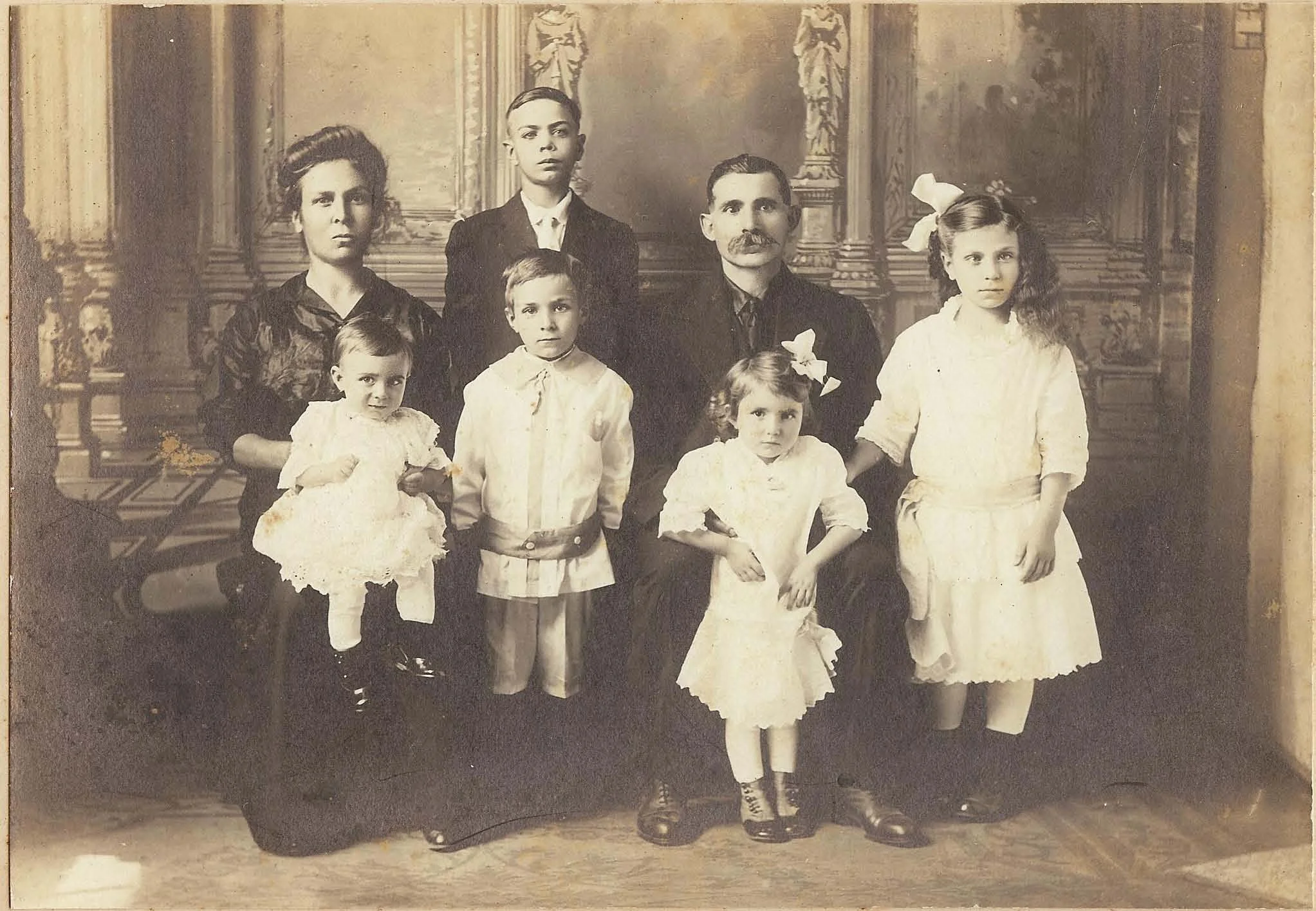
I came from an Italian family whose roots stretch all the way back to Condrò, Sicily, a tiny commune in the hills of Messina, from there my mom was born on the boat on their way to the USA. It’s where my mother first opened her eyes to the world. My father, meanwhile, made his debut in Wilmington, Delaware, after his parents crossed the ocean from Italy. From there, our clan scattered across Jersey, Philly, and Delaware like Parmesan sprinkled over a good pizza.
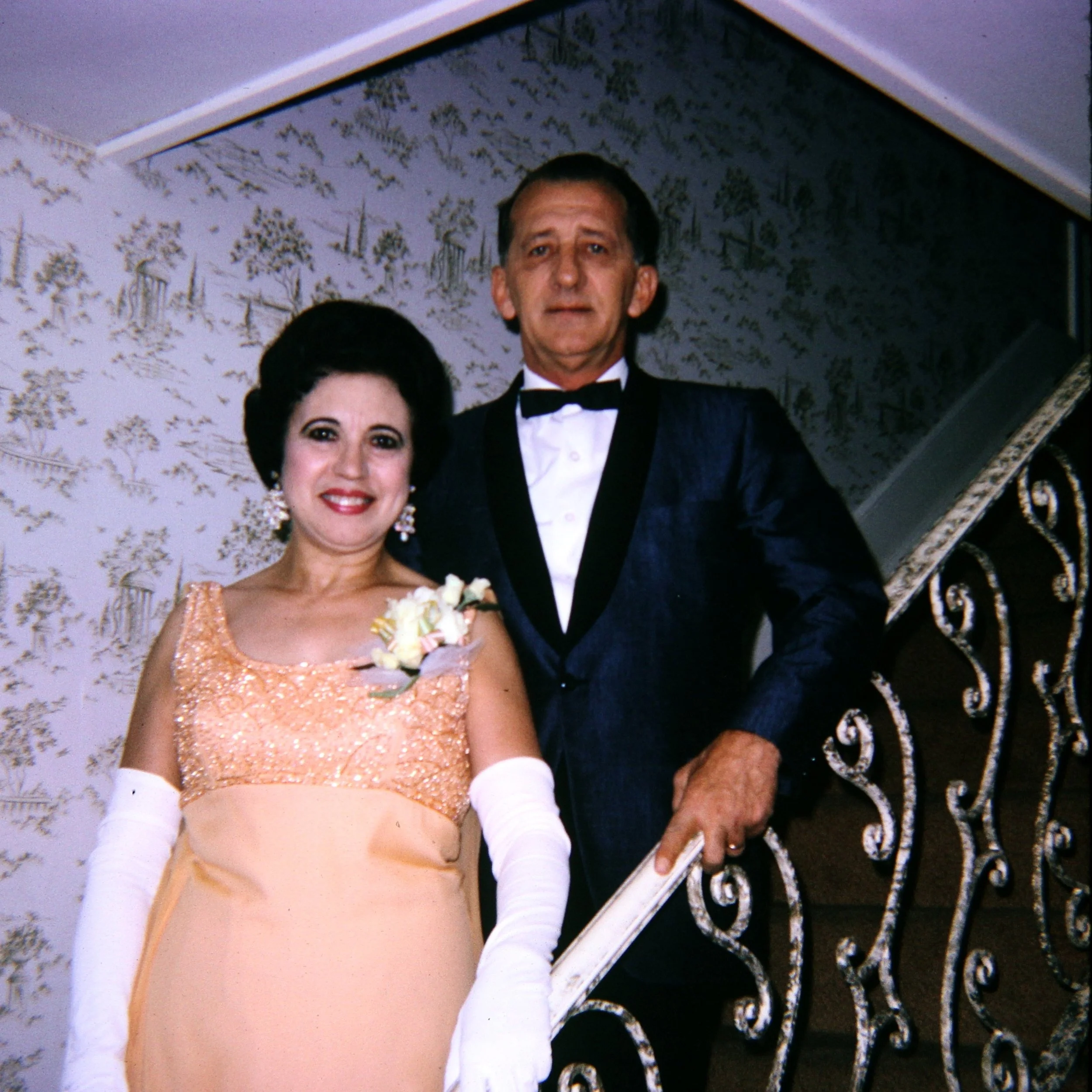
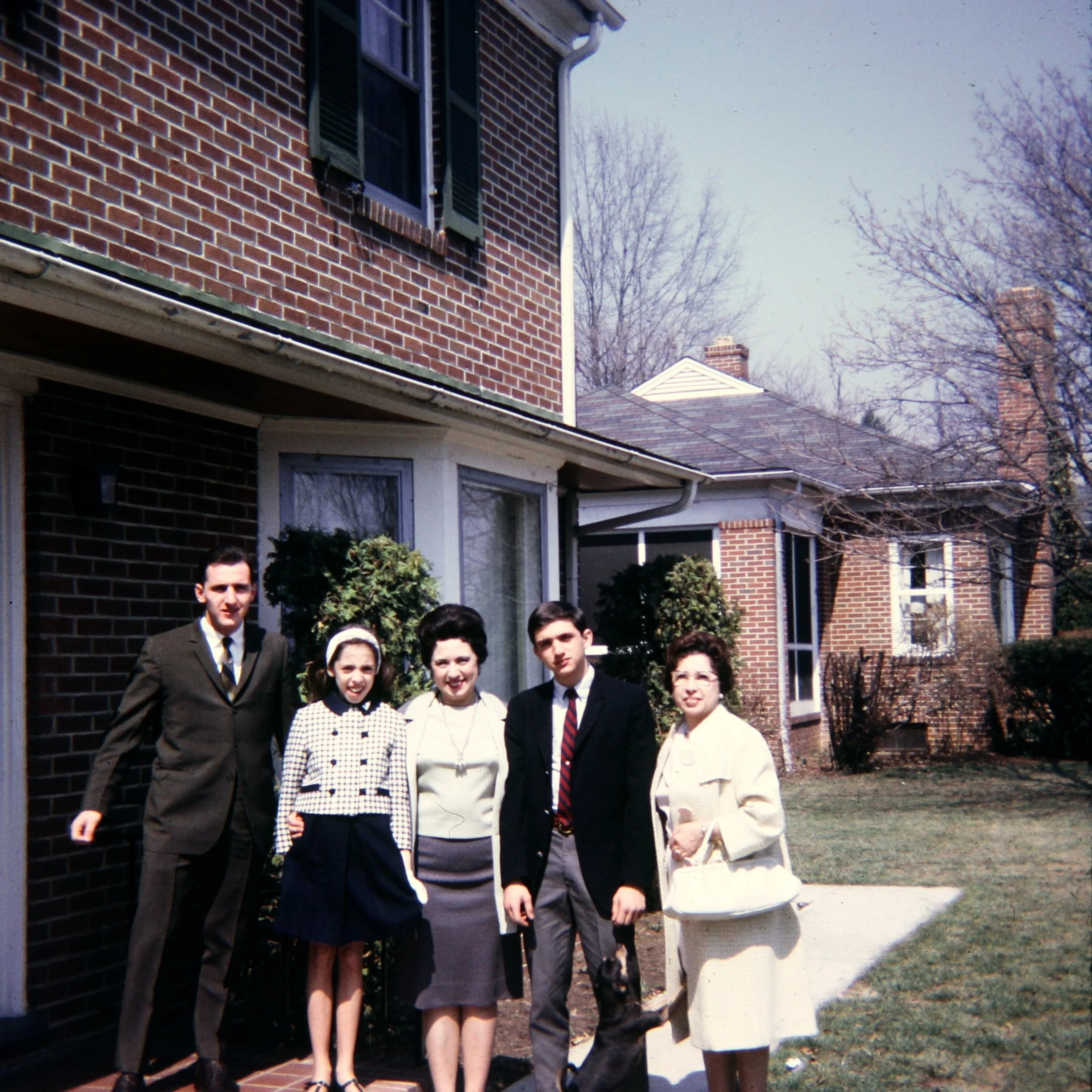
After my parents married, they struck out on their own and moved to Hagerstown, Maryland, where they built a successful women’s apparel manufacturing business. That’s where I arrived on April 14, 1951; the son of Ernest Joseph Fennel and Josephine “Jo Jo” Marie Gerace Fennel.
Although I inherited my father’s middle name, Joseph, I never carried his original last name, Finochi. He changed it either before or right after World War II for reasons known only to him. We all had theories, witness protection, mafia ties, or maybe he just liked the letter “F.” Truth be told, I think I would’ve enjoyed being a Finochi. It has flair. It has personality. It practically comes with its own theme music.
And yes, if you didn’t notice, my birthday fell one day before federal taxes were due. I’ve always wondered whether I was lovingly planned or simply a well-timed deduction. My parents always insisted I was wanted, but there’s a story Aunt Mary told that kept me humble. After a few celebratory drinks the night I was born, my dad and his best friend Ted ended up in a fist fight on the front lawn of our home because Dad thought I was “plain old butt ugly.” A true story — and a confidence booster for any newborn.
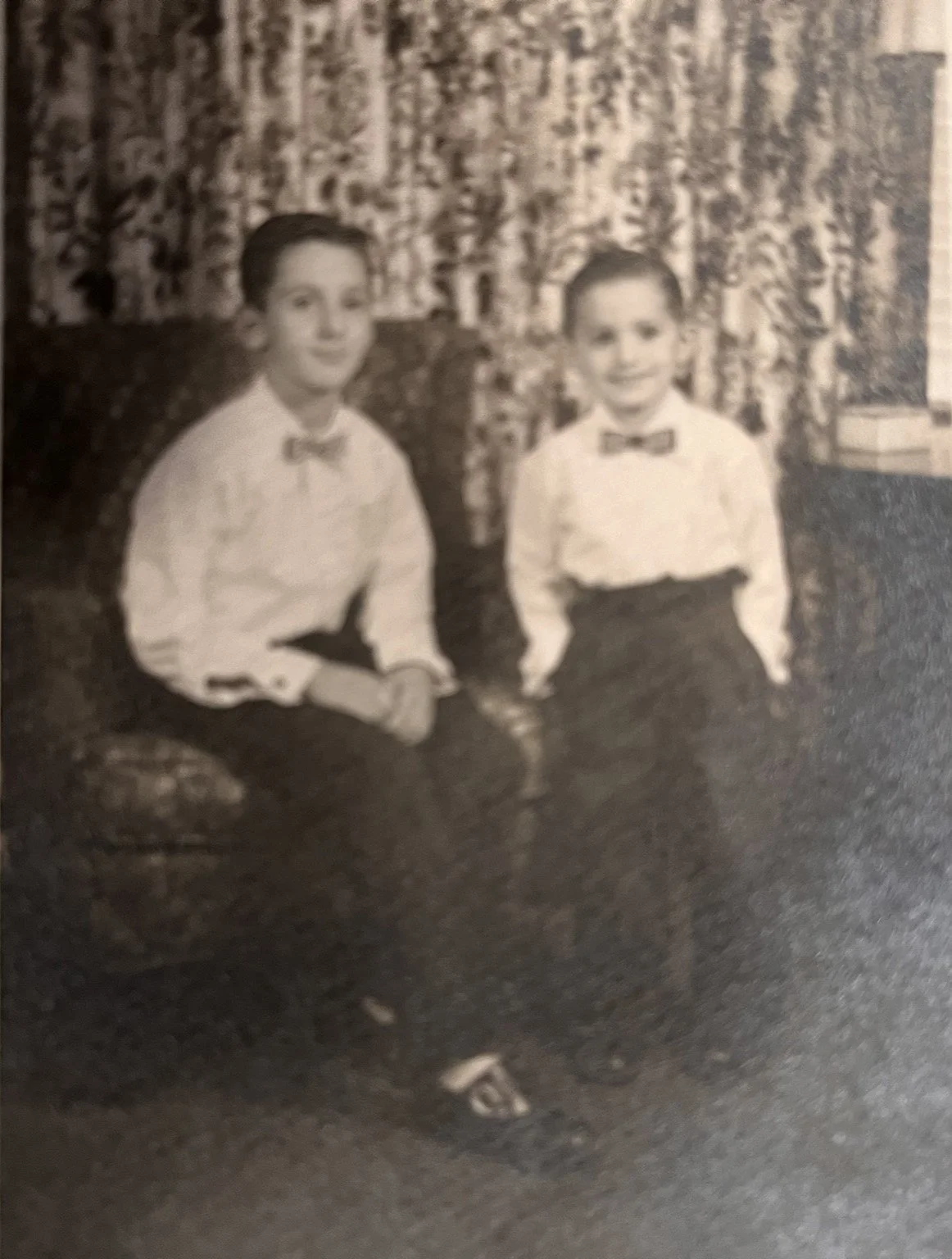
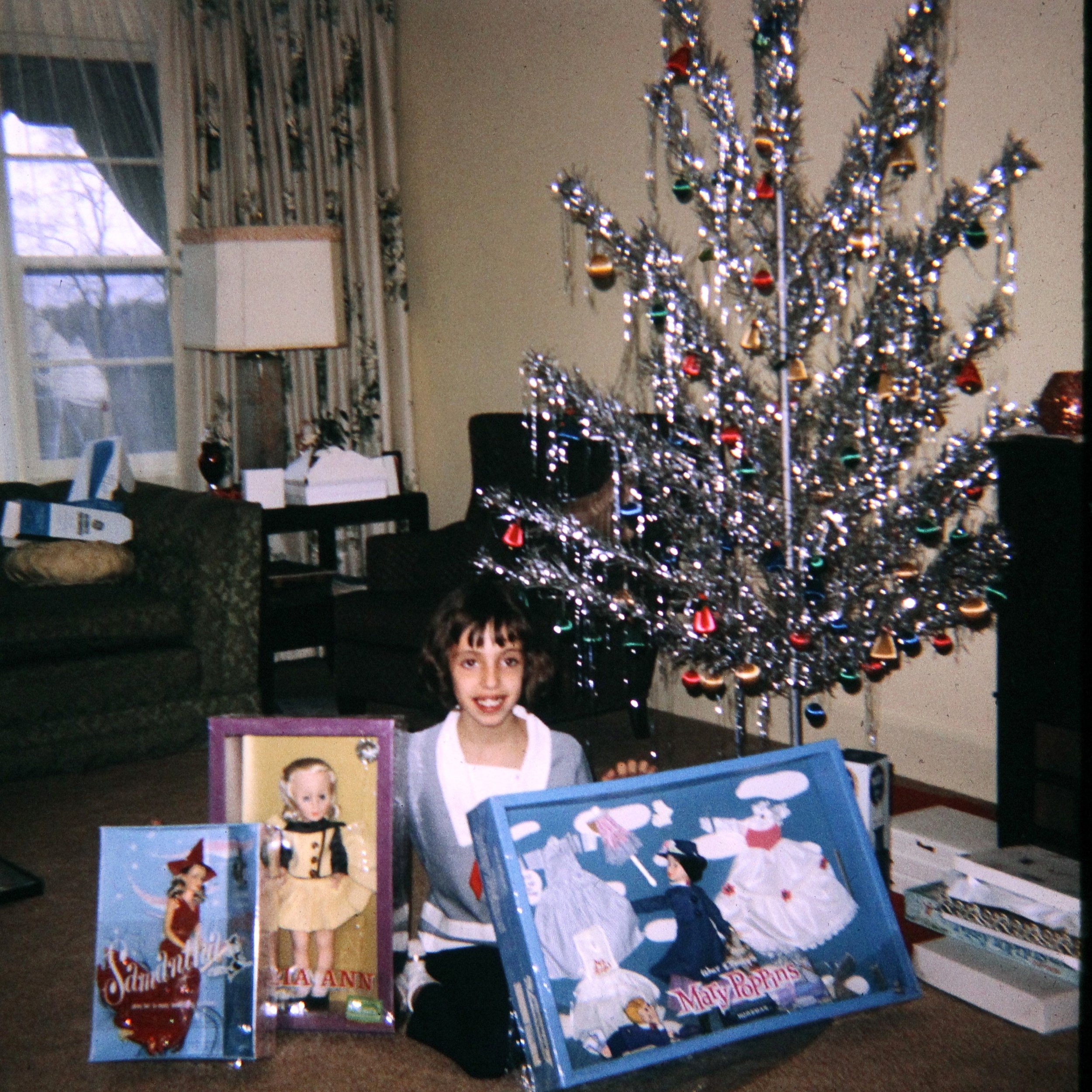
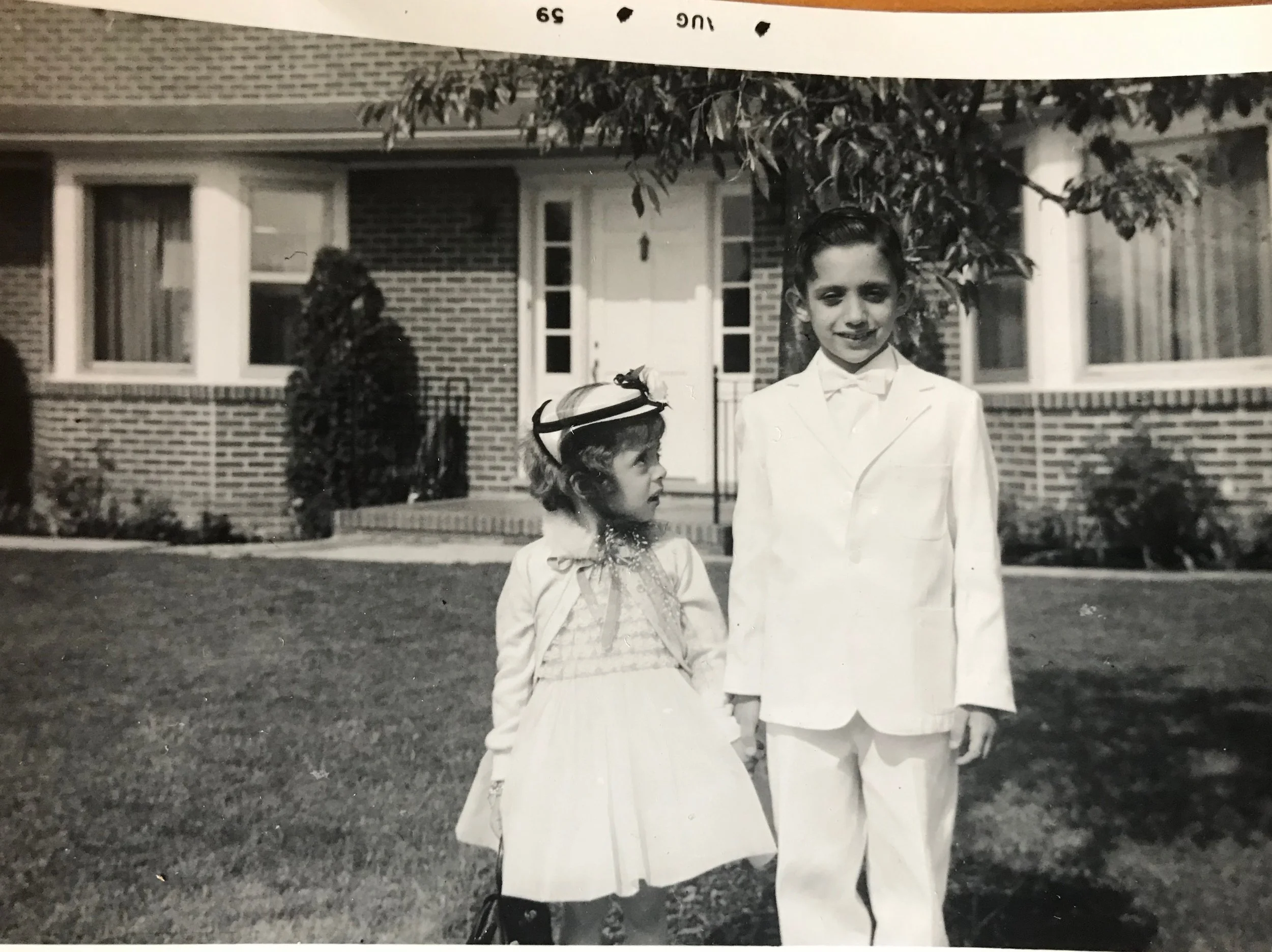
I grew up with my two siblings, Bob and Diane, along with a rotating cast of Italian relatives who lived with us. It was an Italian thing — marry one, get the whole family. My mom’s sister, Aunt Mary; her brother, Uncle Jack; and my grandparents all lived under our roof at one time or another. Later, our cousin Tina came over from Italy and stayed for a while too. I also vaguely remember Uncles Tony (Boop), Dominic, Casper, and Frank, as well as Aunt Eva, Rose, Maiesta, and Theresa drifting in and out like characters in a long-running sitcom.
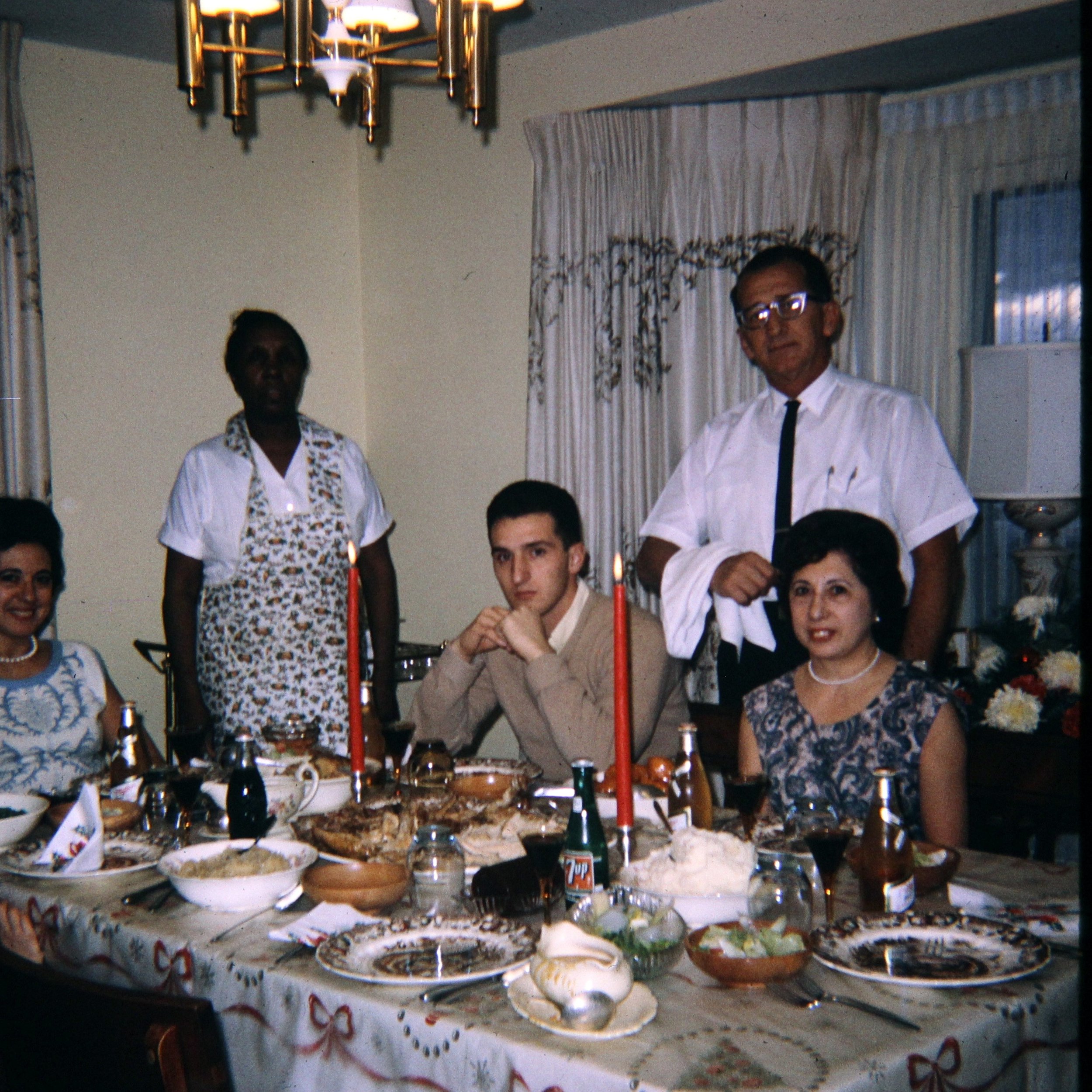
And then there was Irma. Because Mom and Dad worked twelve-hour days, we had a caretaker who truly became our second mother. Irma arrived every weekday to take care of the home, do laundry, clean, and greet us after school. She cooked our dinners, cleaned up afterward, and returned the next day to do it all again.
I truly loved Irma, even with the occasional smack on the backside with her antique hairbrush when I deserved it. She shaped my life more than she ever knew. And her fried chicken? The best; I mean, nothing could compare to it in this whole wide world, hands down! Her mashed potatoes? To die for! I remember the day she passed; I cried like a child.
One thing I never understood as a kid: whenever we visited our relatives in Jersey or Philly, every single piece of furniture was shrink-wrapped like it was preparing for a hurricane, a museum exhibit, or the world’s saddest decoration. That eerie crackling sound when you sat down, the way your legs peeled off the plastic like Velcro, felt less like “family visit” and more like “haunted Tupperware convention.” But the Italian cooking when we were there made it all worth it.
Growing up, our big summer tradition was going to the Jersey Shore - saltwater taffy, seagulls stealing your lunch, and being told the water was “refreshing” while turning blue from hypothermia.
But in one year, we upgraded. We went on a cruise to Bermuda. Fancy, Exotic, Tropical. In a short time, my mom got seasick, Olympic-level seasick. Mom spent so much time in the cabin I’m pretty sure she qualified for residency, and I believe Aunt Mary and my Sis spent most of their time at the pool or at least the Bingo games.
So, there I was, wandering the ship alone, when our cabin steward, who looked like a 1960s teen idol that escaped from Juvie, took pity on me. Slick black hair, perfect smile, the European accent, the kind of guy who should’ve been leaning on a jukebox saying, “Heyyy.”
He asked, “You want to see the island?” And I said, “Sir, I'm twelve; I'll follow anybody anywhere. Obviously, at that time I had the survival instincts of a houseplant.
Next thing I know, I’m on the back of his moped, clinging on for dear life, thinking, this is how every after-school special should start.
He took me to a beach. Not just any beach—a beach where clothing, let’s just say, was optional. And nobody warned me. There should’ve been a sign. A pamphlet. A training video at my age.
Other than Playboy, I had never seen a woman’s gazoombas live. My brain shut down. My eyes did that cartoon thing—BOING!—like I’d been sponsored by Looney Tunes. I swear I’ve needed glasses ever since. My optometrist once asked, “Do you remember any trauma?” And I said, “Define trauma.”
Back at home, Uncle Jack and Aunt Mary were my favorites. Jack took care of the lawns and gardens and worked nights as a watchman in the family business. He was famous for grating the giant block of Parmesan cheese right on the picnic table out back. Yes, there were flies, but we were tough Sicilianos; nothing a little extra protein couldn’t fix.
Aunt Mary worked in the business too and always managed to slip us a little play money under the table, especially after a good night at bingo. She also mediated any trouble between Mom and us… and by “us,” I mostly mean me.
Uncle Jack loved boxing. I watched him every morning crack a raw egg into a glass of Chianti and drink it like it was nothing, a mini-Rocky before Rocky existed. He never seemed to get sick.
Rumor had it he fought as a featherweight boxer in Philadelphia under the name Jack O’Toole. I believed every word of it, saw pictures. In my mind, he absolutely won the Featherweight Championship of the World.
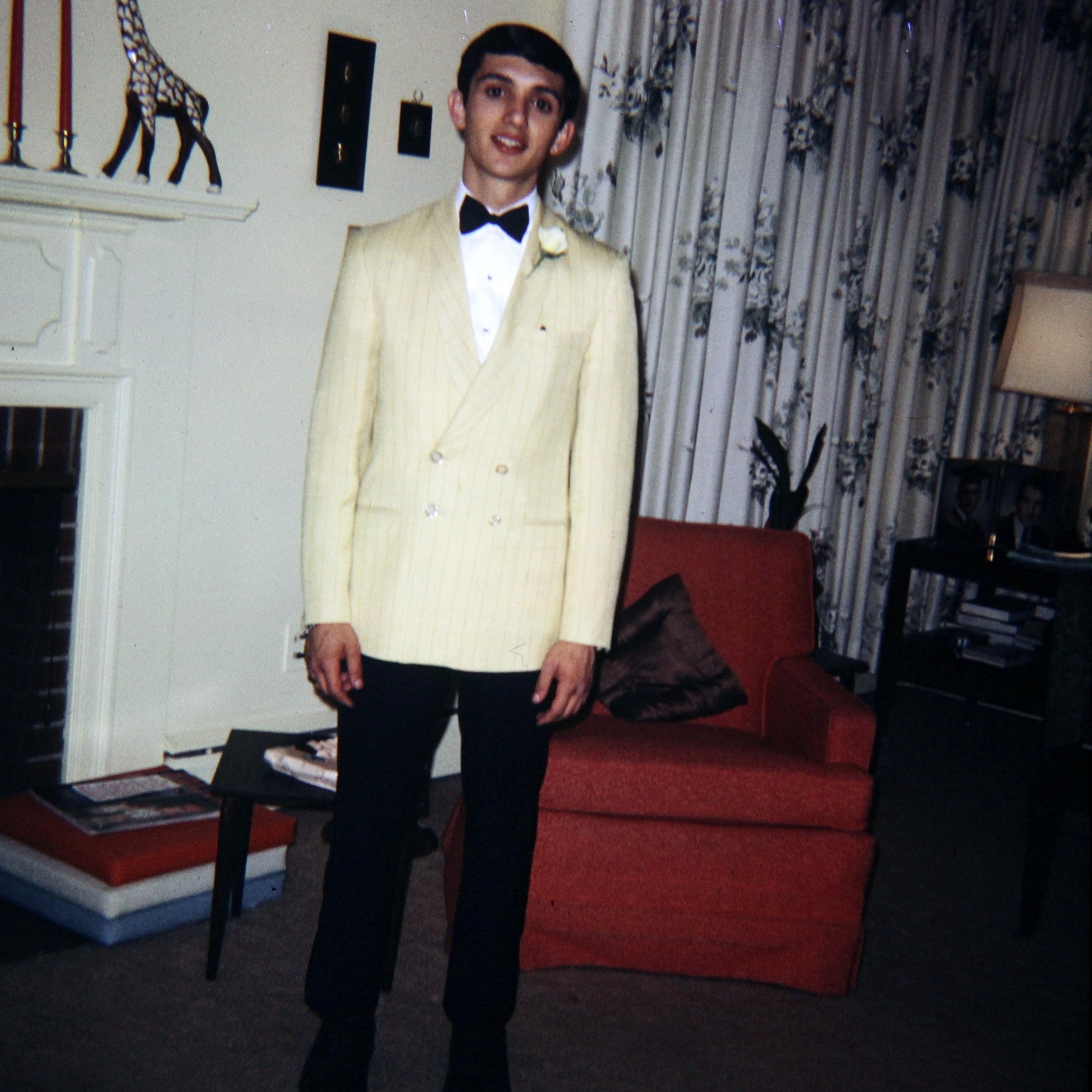
Bob was the oldest, Diane the youngest, and I was the middle child — supposedly the “well-adjusted normal one”. I saw brother Bob like a Wally Cleaver, and my adorable sister, perfect like June Cleaver. I was more like Eddie Haskell, who eventually grew into Lumpy Rutherford.
Diane, angelic as she was, had a talent for getting me in trouble. She’d pinch me, run to Mom, and claim I did it. Sis, I loved you then, and I love you now, and every mysterious bruise on my old-age arms reminded me of those days.
One of my best memories of Bob was when he had his highschool friends over at the pool. Let’s just say puberty hit me like a freight train. All I can say is… whatever happened to Jane?
Life in the Fennel household was good. We were fortunate. My parents’ business thrived, gas was twenty-five cents a gallon, and we never felt deprived. But the real magic happened on weekends.
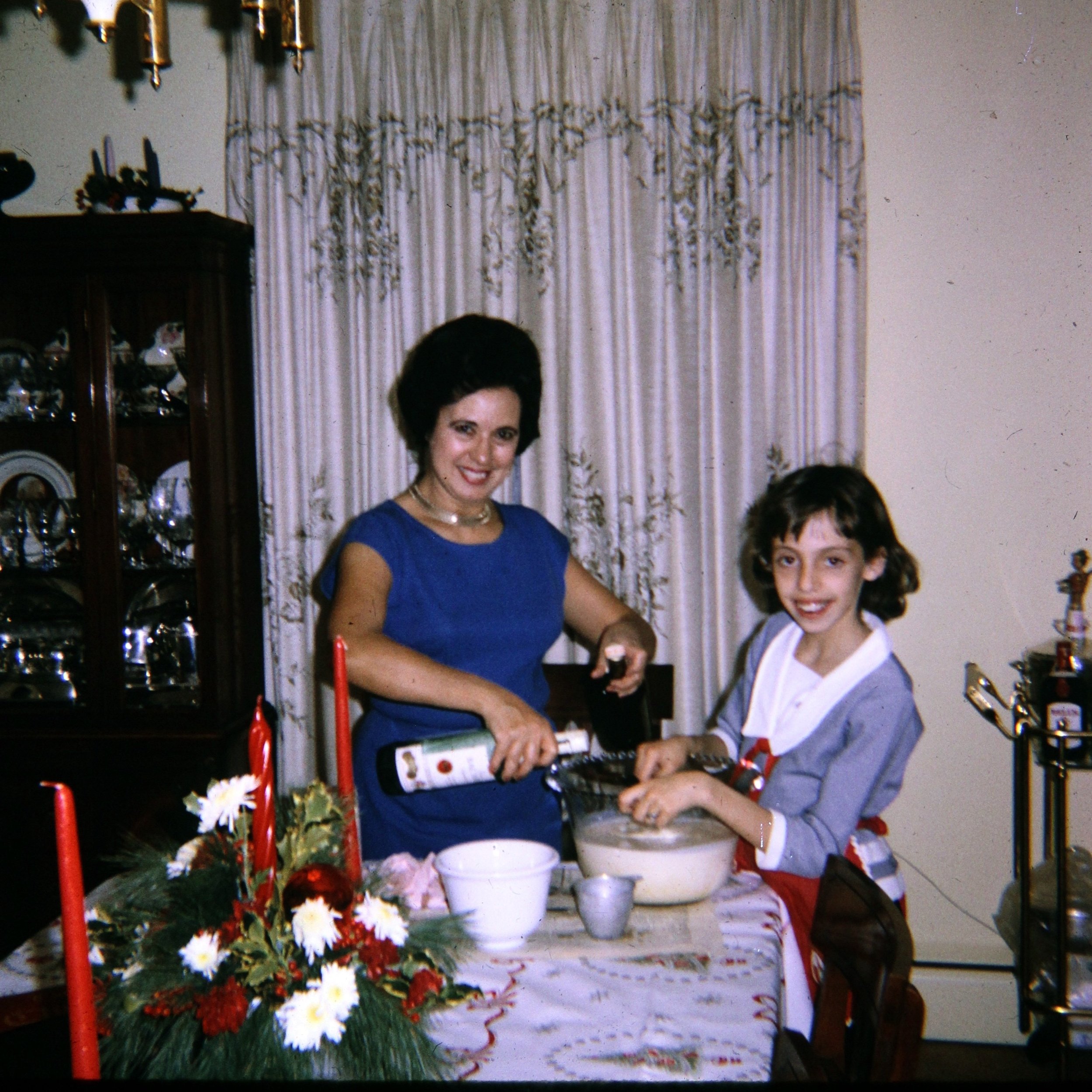
Sundays were sacred. The house filled with the smell of pasta and gravy simmering on the stove, ravioli, hand-cut pasta, meatballs, braciole, chicken cacciatore, and that pork butt roast that gave Mom’s sauce its soul. And her baked cheese and pineapple pies? Heavenly.
After dinner, we’d drift to the basement to watch the Packers on our black-and-white TV: a little football, a little dozing, a whole lot of contentment.
When blue crabs were in season, Mom made a special sauce I’ll never forget. She’d reach into the bushel barehanded, snap off the pincers, and clean them like a pro, then simmer them in her Marinara sauce. There is no way to explain what a six-inch stack of Maryland blues over homemade pasta that seems to stretch forever, it was our taste of summer heaven, and there was never enough paper towels.
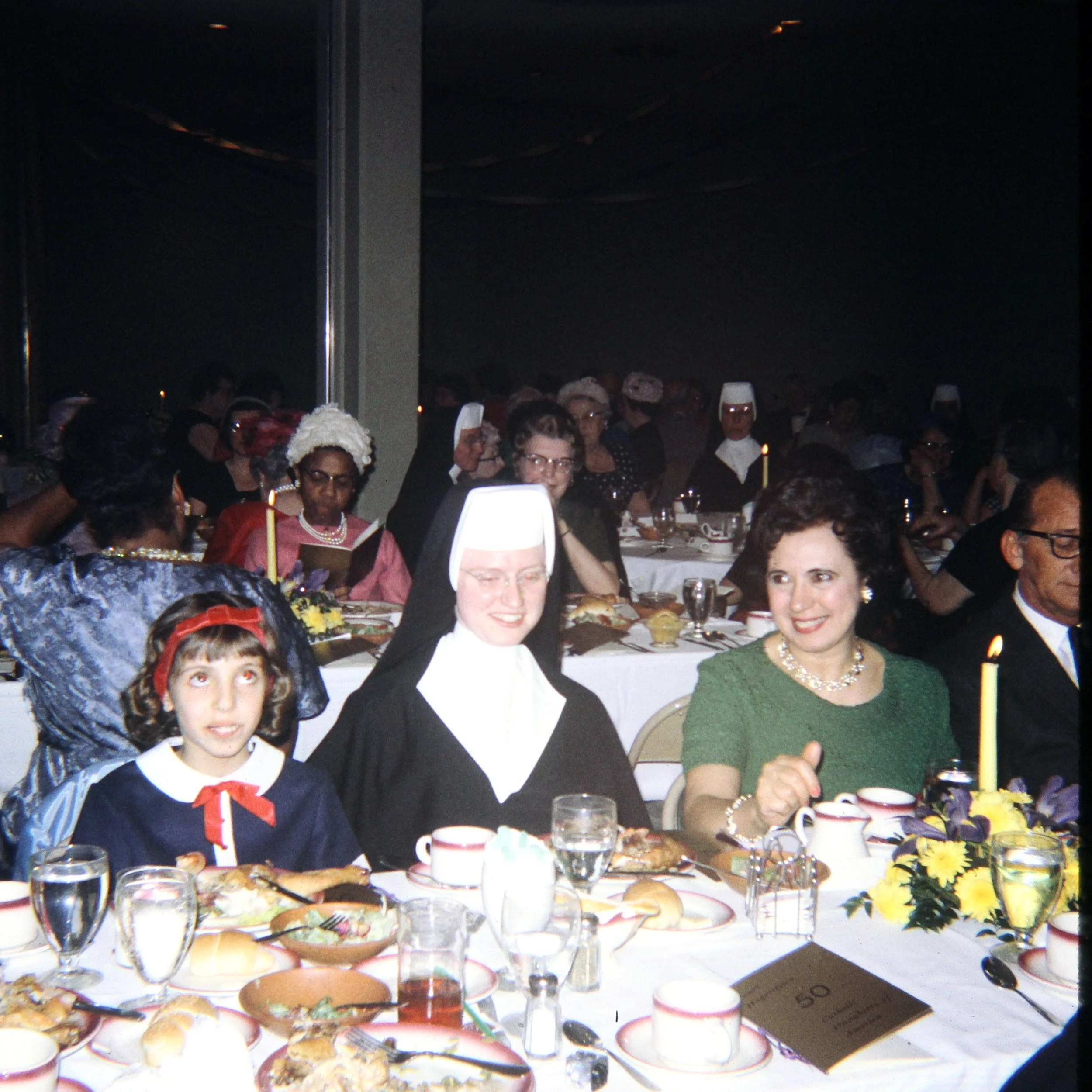
Our backyard pool was legendary. Every kid from school showed up. Even the School Sisters of Notre Dame stopped by for a dip. Seeing nuns in full habit laughing by the pool was unforgettable. Seeing nuns wearing our girlfriends’ bathing suits? That made for interesting conversations at school.
In a true Italian household, there was always enough food to feed another twenty people without breaking a sweat. So if you hung around until dinner time, Mom would insist you stay and eat. Nobody ever left our house hungry, and nobody ever left without feeling like part of the family.
As for my dad, he was hard-working, strict, fair, and always wanted the best for us. All he expected in return was our best. This is where my brother and sister made life a little harder for me.
You see, Bob and Diane were straight-A students. I, on the other hand, wasn’t much of a book guy. I was far more interested in how things worked. If it had wires, batteries, or made noise- a radio, a telephone, a walkie-talkie, even a TV- I had to take it apart to see what made it tick.
So, when report card day rolled around, and it was time to slide our envelopes under Dad’s dinner plate for review after dinner, let’s say my appetite mysteriously disappeared. Diane’s card always opened first, then Bob’s, and then mine—always last, and always for a reason.
Dad knew exactly what he’d find in theirs: praiseworthy grades, neat comments from teachers, the whole package. He’d nod proudly, offer encouragement, maybe even crack a smile.
Then he’d open mine. I’d get that slight shake of the head, a tight smile, and a stern suggestion to “try and do better.” It wasn’t cruel, just Dad being Dad. But sitting there between two academic all-stars, well, I felt like the cog in a wheel that needed some duct tape to fix.
My dad died when he was sixty, far too young for a man built out of grit, discipline, and a whole lot of talent. I know this much in my bones: if he’d stuck around a little longer, he would’ve kicked my ass in all the right ways.
The kind of tough love only an Italian father could deliver. A look, a word, a shove in the right direction - he had a way of snapping you back into line without ever raising his voice.
I’m convinced that if he’d been there through the years when I stumbled with both my families, the business missteps, the times I zigged when I should’ve zagged, most of it wouldn’t have happened. Not because he would’ve fixed everything for me, but because he would’ve demanded better from me.
And I would’ve risen to meet it, the way sons do when their father’s shadow is still standing over their shoulder. I don’t think anyone really knew, but losing him didn’t just make a hole; it left a hole in my heart that I don’t believe I ever fully got over, right up to my age 75. I’ve spent a lifetime learning to survive without the man who taught me how to walk. I missed him so much.
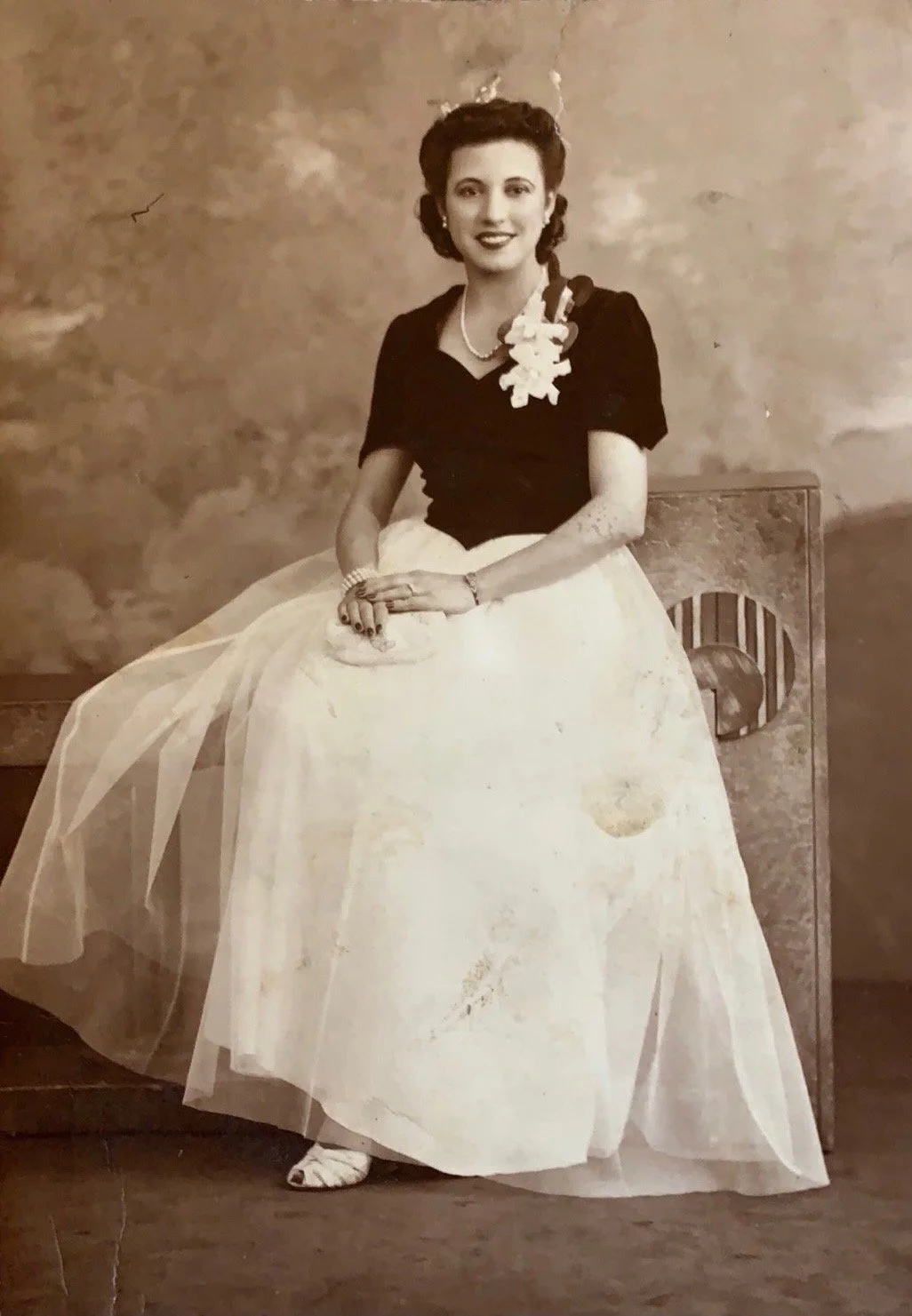
My mom passed away at 94, leaving this world with the same grace she lived in it. She was the closest thing to an angel I’ve ever known.
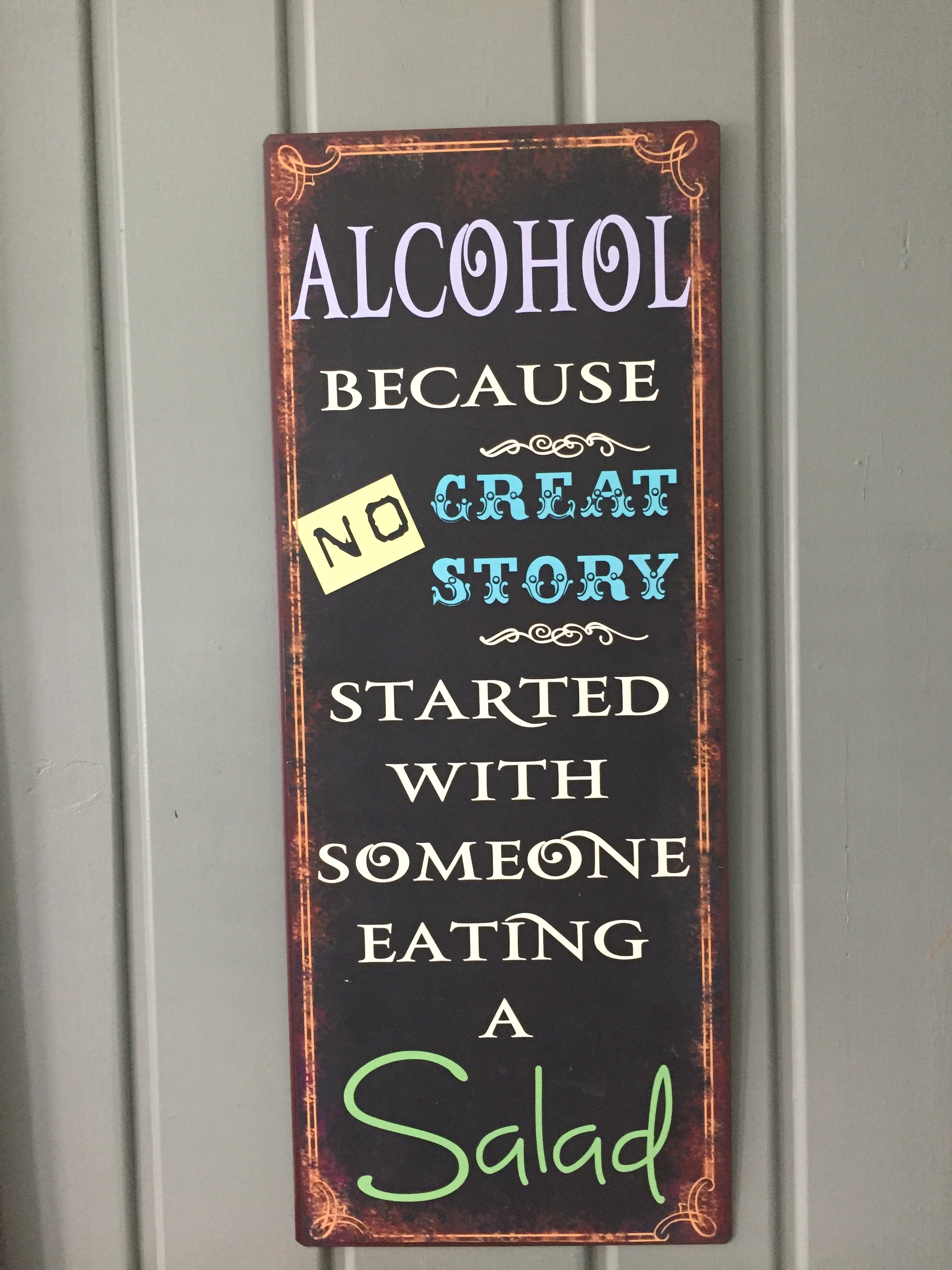
my favorite sign

the first Bond
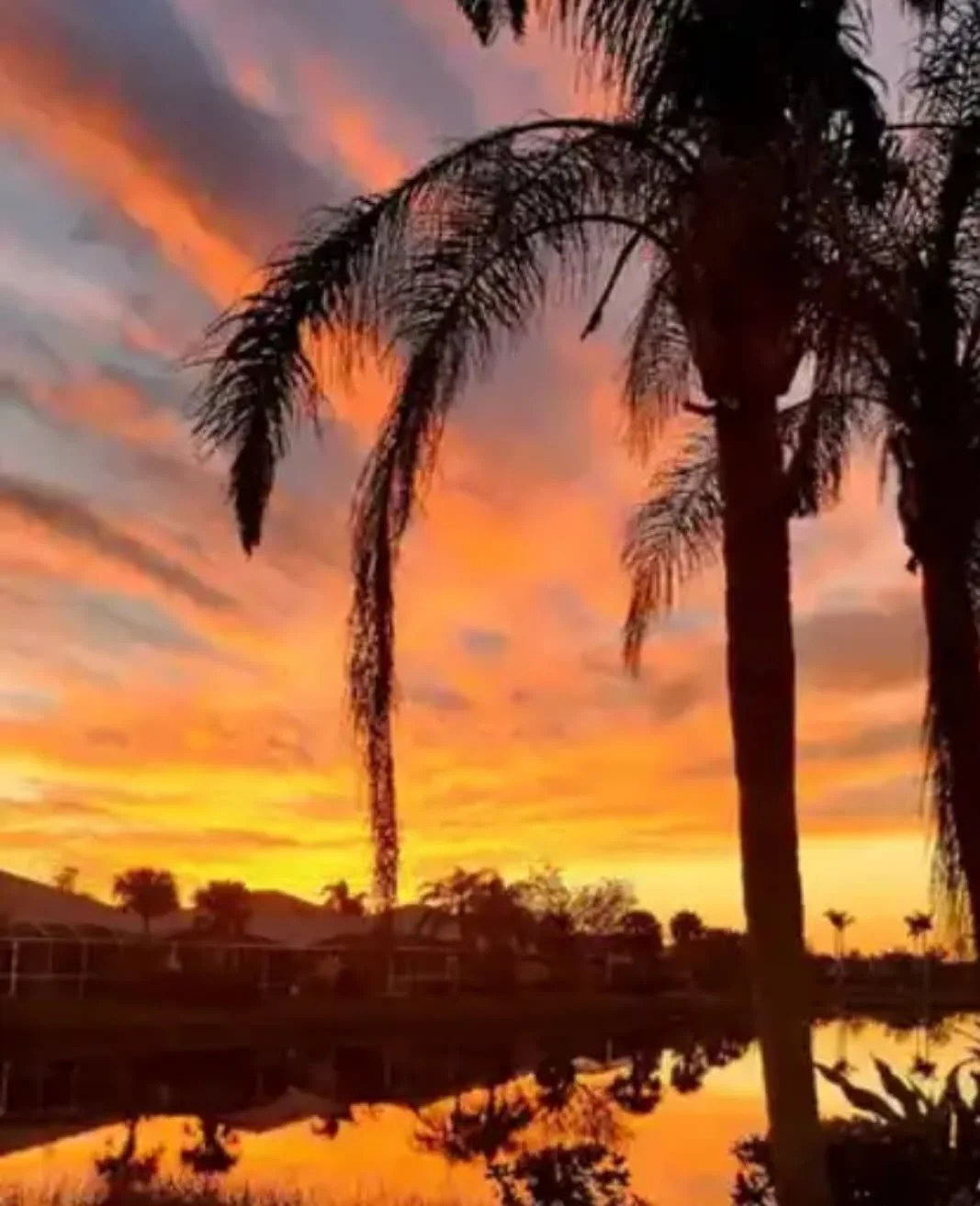
My favorite Sunset